The Benefits of Partnering with Bangladesh Manufacturers
In today's global economy, businesses are constantly seeking ways to enhance their supply chains and reduce costs. One of the most effective strategies is to partner with manufacturers in Bangladesh. This South Asian nation has emerged as a key player in the manufacturing sector, offering numerous advantages for companies looking to optimize their production processes. In this blog post, we will explore the benefits of collaborating with Bangladesh manufacturers, highlighting their strengths and the opportunities they present.
Understanding Bangladesh's Manufacturing Landscape
Bangladesh has a rich history in textiles and garments, which has laid the foundation for its manufacturing industry. The country is now diversifying into various sectors, including electronics, pharmaceuticals, and furniture. This growth is supported by a young and dynamic workforce, competitive labor costs, and favorable government policies aimed at attracting foreign investment.
Key Industries in Bangladesh
Textiles and Garments
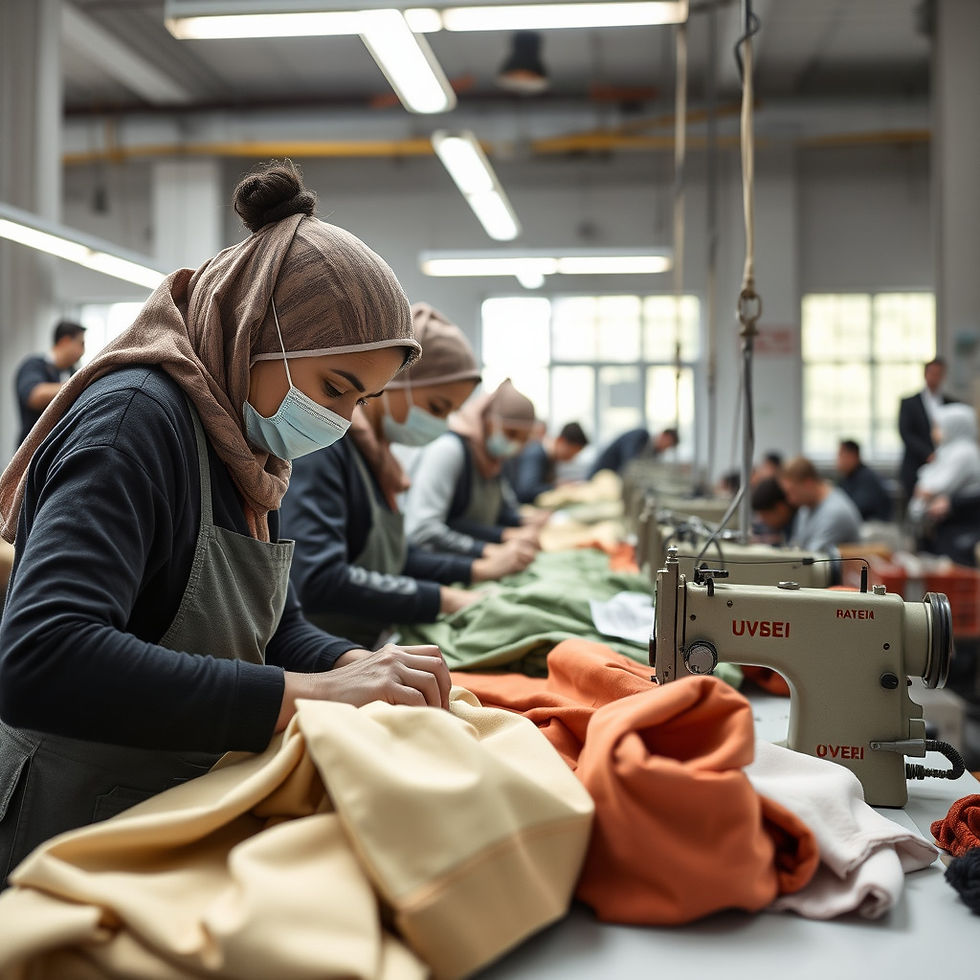
Bangladesh is the second-largest exporter of garments in the world, accounting for a significant portion of global apparel production. The country is known for its ability to produce high-quality garments at competitive prices.
Leather Goods
With a strong tradition in leather production, Bangladesh is a leading exporter of leather goods, including shoes, bags, and accessories.
Pharmaceuticals
The pharmaceutical sector in Bangladesh is rapidly growing, with many companies producing generic drugs that meet international standards.
Electronics
The electronics industry is gaining momentum, with local manufacturers producing a range of products, from consumer electronics to industrial equipment.
Furniture
Bangladesh is also becoming known for its high-quality furniture, combining traditional craftsmanship with modern design.
Cost-Effectiveness of Manufacturing in Bangladesh
One of the primary reasons companies choose to partner with Bangladesh manufacturers is the cost-effectiveness of production. The country offers several advantages that contribute to lower manufacturing costs:
Competitive Labor Costs
Bangladesh has one of the lowest labor costs in the world, allowing companies to save significantly on wages while still maintaining quality.
Economies of Scale
Many manufacturers in Bangladesh operate on a large scale, which helps reduce per-unit costs. This is particularly beneficial for businesses looking to produce large quantities of goods.
Government Incentives
The Bangladeshi government offers various incentives to attract foreign investment, including tax holidays and reduced tariffs on raw materials.
Quality and Compliance Standards
While cost is a significant factor, quality is equally important. Bangladesh manufacturers are increasingly focusing on meeting international quality standards. Many factories are certified by organizations such as ISO and WRAP, ensuring that they adhere to strict quality and ethical guidelines.
Examples of Quality Assurance
ISO Certification
Many manufacturers in Bangladesh have obtained ISO certification, demonstrating their commitment to quality management systems.
Sustainability Practices
A growing number of factories are adopting sustainable practices, such as using eco-friendly materials and reducing waste, which appeals to environmentally conscious consumers.
Access to a Skilled Workforce
Bangladesh boasts a young and vibrant workforce, with a significant portion of the population engaged in the manufacturing sector. This demographic advantage translates into a pool of skilled labor that is eager to learn and adapt to new technologies.
Training and Development
Many manufacturers invest in training programs to enhance the skills of their employees. This commitment to workforce development ensures that companies can access a skilled labor force capable of meeting their production needs.
Strategic Location for Global Trade
Bangladesh's geographical location offers strategic advantages for global trade. The country is situated near major shipping routes, making it easier for manufacturers to export goods to various markets.
Port Facilities
The Port of Chittagong is one of the busiest ports in South Asia, facilitating efficient shipping and logistics. This accessibility helps reduce lead times and transportation costs for businesses.
Cultural Compatibility and Communication
Cultural compatibility is crucial when partnering with manufacturers in another country. Bangladesh has a rich cultural heritage and a history of trade, which fosters strong relationships between local manufacturers and foreign businesses.
Language Proficiency
English is widely spoken in Bangladesh, particularly in business settings. This proficiency helps facilitate clear communication and reduces the likelihood of misunderstandings.
Challenges and Considerations
While there are numerous benefits to partnering with Bangladesh manufacturers, it is essential to be aware of potential challenges. These may include:
Infrastructure Issues
While improvements are being made, some areas of infrastructure, such as transportation and utilities, may still pose challenges.
Regulatory Environment
Navigating the regulatory landscape can be complex, so it is crucial to work with local experts who understand the legal requirements.
Building Strong Partnerships
To maximize the benefits of partnering with Bangladesh manufacturers, businesses should focus on building strong relationships. This involves:
Conducting Due Diligence
Research potential partners thoroughly to ensure they align with your company's values and standards.
Establishing Clear Communication
Maintain open lines of communication to address any issues that may arise during the partnership.
Investing in Relationships
Take the time to visit manufacturing facilities and engage with local teams to foster trust and collaboration.
Conclusion
Partnering with Bangladesh manufacturers presents a wealth of opportunities for businesses looking to enhance their production capabilities. From cost-effectiveness and access to a skilled workforce to a commitment to quality and sustainability, the advantages are clear. By understanding the landscape and building strong partnerships, companies can leverage the strengths of Bangladesh's manufacturing sector to drive growth and success.
As you consider your manufacturing options, think about how Bangladesh can fit into your strategy. The potential for growth and innovation is significant, and the right partnership can lead to lasting success.


Comments